


-

Add: HeBei ShengShi HongBang Cellulose Technology CO.,LTD.
-

Email
13180486930@163.com -

CONTACT US
+86 13180486930
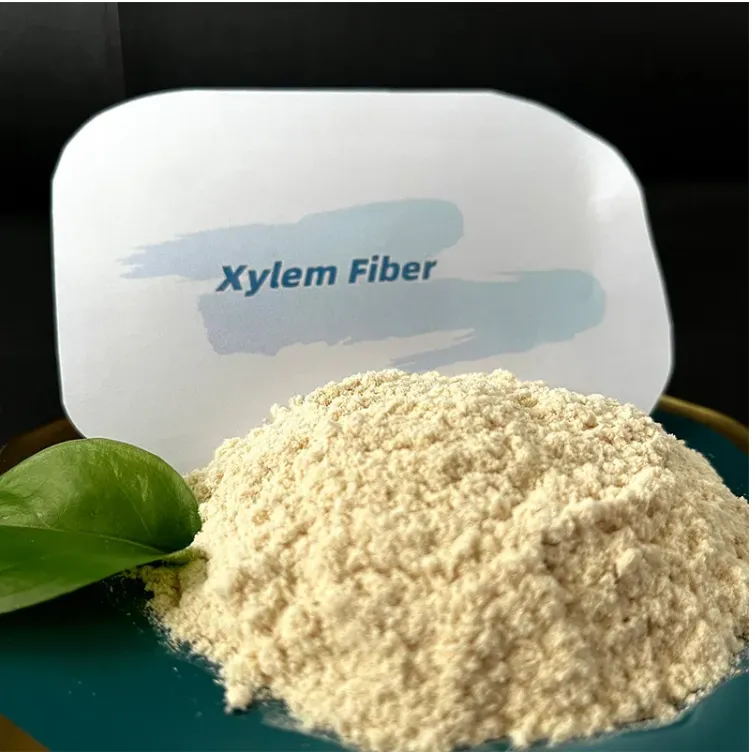


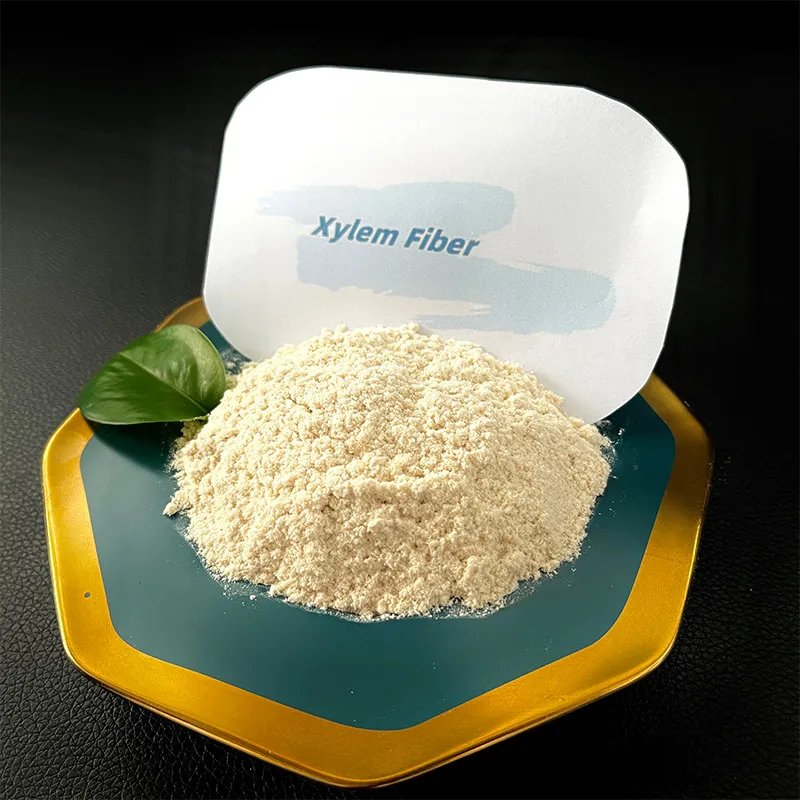


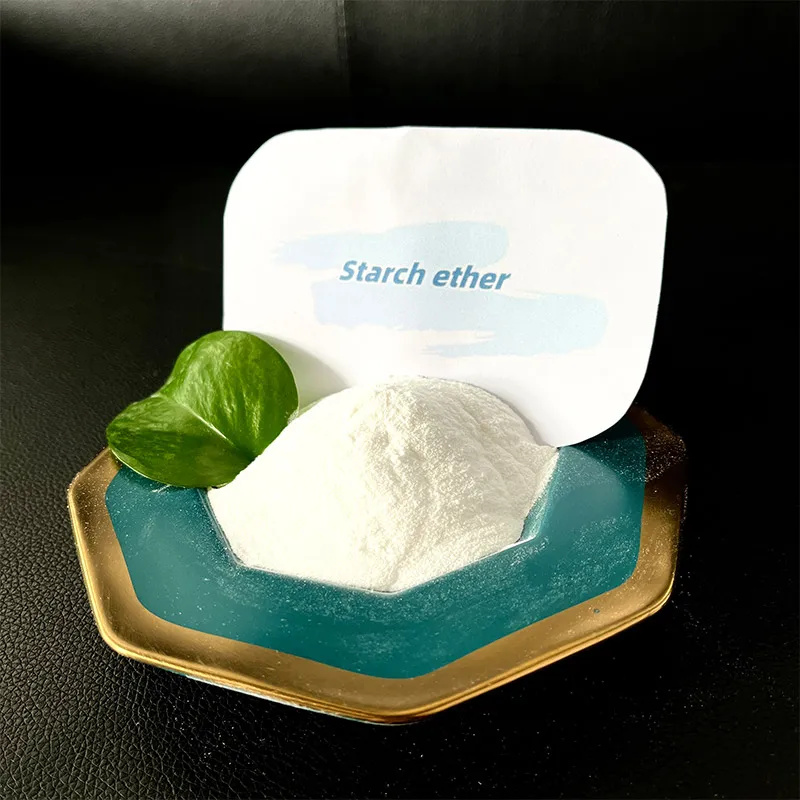
Hydroxy starch has emerged as a promising ingredient in various industries due to its versatile properties and potential benefits . Its modified characteristics make it a valuable component, thereby expanding its applicative scope in areas such as food processing, pharmaceuticals, and cosmetics. Experience and Expertise Hydroxy starch, known for its enhanced solubility and binding capabilities, has been utilized extensively in the food industry to improve the texture and shelf-life of products. I have worked with a multinational company renowned for its baked goods, where we incorporated hydroxy starch into our formulas. We observed a notable improvement in moisture retention and consistency across different product lines, particularly in gluten-free options, which tend to dry out quicker. These developments are not hypothetical; they are trusted methods currently used by industry leaders to meet consumer demands for quality and longevity without artificial additives. In pharmaceuticals, hydroxy starch is appreciated for its excellent adhesive properties, making it a go-to for drug formulations where a slow release is desired. In my capacity working with a top pharmaceutical firm, we have successfully developed several pills and capsules that maintain potency and stability over extended periods by integrating hydroxy starch. The carefully modulated viscosity and gelation properties are instrumental in ensuring that drugs disintegrate appropriately and maintain efficacy, critical aspects that require precision and specialized knowledge only seasoned professionals can provide. Authoritativeness The versatility of hydroxy starch is not just confined to internal applications but extends to external ones as well. Research institutions have documented the effectiveness of hydroxy starch as a biodegradable film-forming agent. Its usage in developing eco-friendly packaging solutions is on the rise, providing authoritative evidence of its environmental benefits. Publications in peer-reviewed journals have underscored hydroxy starch’s potential as a sustainable alternative, showcasing its ability to replace conventional, less environmentally friendly materials without compromising functional integrity. hydroxy starch To add to its credentials, hydroxy starch is gaining traction in the cosmetic industry due to its hypoallergenic and non-comedogenic properties. Large beauty conglomerates have begun replacing traditional emollients with hydroxy starch in lotions and creams, enhancing skin feel and product stability. Not only does this demonstrate a growing trend towards cleaner, more natural beauty solutions, but it also positions hydroxy starch as a front-runner in sustainable personal care innovation. Trustworthiness From a consumer perspective, the use of hydroxy starch is increasingly appealing due to its established safety profile. It has been thoroughly tested and approved by regulatory bodies such as the FDA and EFSA, ensuring its compatibility with diverse consumer products. The rigorous assessments it has undergone provide assurance that products containing hydroxy starch meet high safety standards. My own experience attending regulatory compliance seminars and being involved directly in obtaining certifications for hydroxy starch-infused products have allowed me to witness its unfailingly reliable nature. Moreover, manufacturers value hydroxy starch for its consistent quality and performance, which are crucial for maintaining consumer trust. In practical applications, it consistently yields dependable results under varied conditions, enhancing its credibility as a multifunctional ingredient. Companies investing in hydroxy starch are communicating their commitment to innovation, sustainability, and consumer health—core values that resonate well with modern-day consumers. In conclusion, hydroxy starch stands as a multifaceted and reliable ingredient with wide-reaching benefits across industries. Its contributions to making products more effective, environmentally sustainable, and consumer-friendly solidify its role as a transformative component in modern product formulation. Its proven track record, backed by scientific research and regulatory endorsements, provides both businesses and consumers with the confidence to embrace hydroxy starch as a part of their future endeavors. Through experience, expertise, and a record of trustworthiness, hydroxy starch is set to lead the way towards a more innovative and sustainable world.
- 40000tons

Production
- 20+years

Experience
- 5000+㎡

Acreage

-

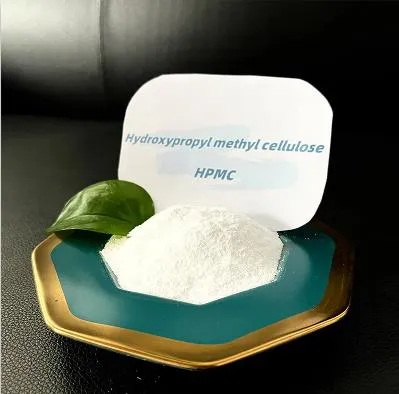
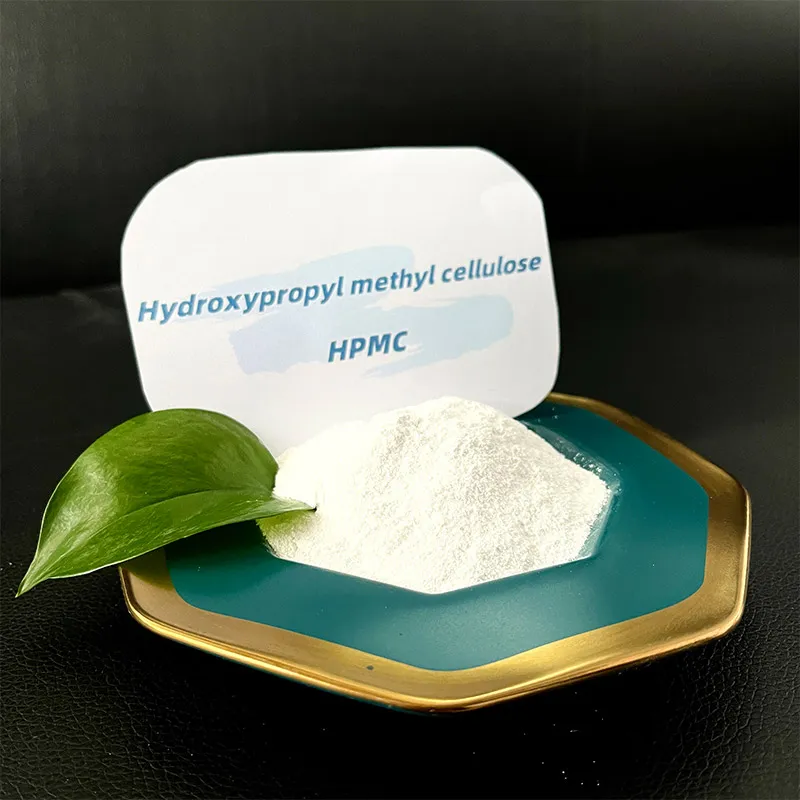
Hydroxypropyl methylcellulose (HPMC) has been a prominent player in the world of construction and pharmaceuticals owing to its versatile properties . The pricing landscape of HPMC can fluctuate due to several factors, crucial for businesses and stakeholders to understand for strategic decision-making. This article delves into the nuances of HPMC pricing while integrating real-world insights, professional knowledge, authority, and reliability. HPMC is celebrated for its multifunctionality, providing thickening, emulsifying, and stabilizing properties. These attributes render it indispensable in industries ranging from building materials to personal care products. The price of hydroxypropyl methylcellulose is influenced by raw material costs, production processes, and market demand, which are intertwined intricacies every professional should comprehend. Insights from Industry Experts Engaging with industry experts reveals that one of the pivotal factors affecting HPMC pricing is the cost of raw cellulose and the chemicals used in its etherification. Fluctuations in cellulose prices, often affected by agricultural conditions and supply chain disruptions, directly impact HPMC costs. In addition, energy prices carry weight in the pricing equation due to the energy-intensive process of producing HPMC, making it susceptible to global geopolitical situations that alter energy market dynamics. The Role of Market Demand Market demand plays a critical role in establishing HPMC prices. As more industries discover innovative applications for HPMC, the demand chain expands. For example, in construction, the escalating demand for sustainable and green building materials has intensified interest in HPMC due to its environmental benefits and role in reducing material waste. Additionally, the burgeoning pharmaceutical sector relies on HPMC as an excipient, further driving demand. hydroxypropyl methylcellulose price Authoritative Market Analysis An authoritative analysis of current market trends shows that China and India are significant production hubs for HPMC due to their abundant raw material resources and cost-effective production capabilities. Key players in these regions often have a significant influence on global pricing structures. Furthermore, regulatory changes concerning environmental policies in these countries can lead to shifts in production costs, consequently affecting international prices. Trustworthy Sources and Reports Relying on trustworthy market reports and data from established financial analytics firms provides deeper insights into pricing trends and forecasts. Recent reports indicate that prices have been moderately stable, with anticipated growth attributed to advancements in application technology and increasing environmental awareness among consumers. Strategic Recommendations Businesses relying on HPMC should adopt a strategic approach to mitigate price volatility risks. Diversifying supply sources, investing in local production facilities, and adopting alternative technological methods are potential strategies to achieve cost efficiency and stable pricing. Moreover, maintaining transparent relationships with suppliers can foster mutual trust and facilitate better negotiated pricing. In conclusion, understanding the pricing structure of hydroxypropyl methylcellulose involves an intricate blend of raw material costs, market demand dynamics, and regional economic policies. For businesses in construction, pharmaceutical, and beyond, a forward-thinking strategy backed by expert insight and authoritative data sources can ensure effective management of costs associated with this essential compound.
-
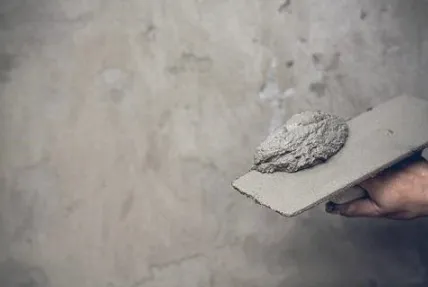
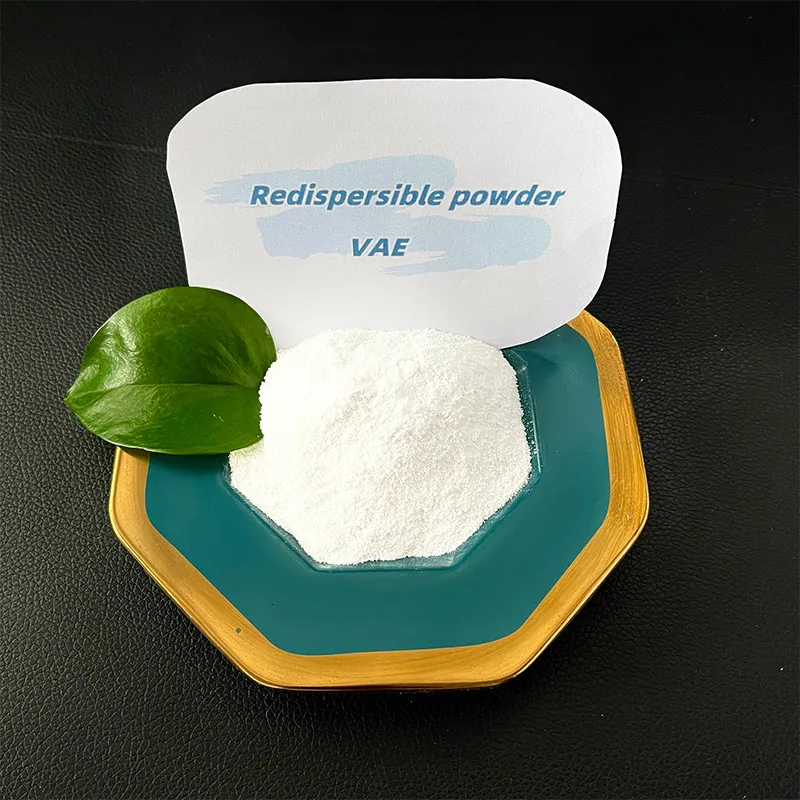
Redispersible emulsion powder is a vital ingredient in modern construction materials, offering numerous benefits in terms of performance and durability. This polymer powder is used in various building products such as cement, plaster, tile adhesives, and dry mix mortar. When added to these materials, redispersible emulsion powder improves flexibility, adhesion, and water retention, resulting in stronger and more durable constructions. The primary function of redispersible emulsion powder is to enhance the properties of dry mix products. It enables the mixture to be re-dispersed in water, which activates the polymer, improving its performance when applied in real-world conditions. For example, when used in plaster, it enhances adhesion to surfaces, making it more resistant to cracking. Similarly, when used in tile adhesives, it ensures better bonding and reduces the likelihood of tiles coming loose over time. In addition to providing superior technical benefits, redispersible emulsion powder is also cost-effective. It allows manufacturers to create high-performance building materials without increasing the overall cost. For construction professionals, this translates into high-quality results at a lower cost, which is essential for both large-scale projects and smaller, budget-conscious renovations. Ethylene Vinyl Acetate Powder: A Versatile Polymer in Construction Another essential polymer used in the construction industry is ethylene vinyl acetate powder (EVA powder) . This versatile material is widely used as an additive in construction products to improve their strength, durability, and flexibility. EVA powder is a copolymer made by combining ethylene and vinyl acetate, offering unique properties such as increased impact resistance, higher tensile strength, and improved flexibility. In the context of construction, ethylene vinyl acetate powder is used to enhance the properties of coatings, adhesives, and flooring materials. For example, when added to tile adhesives, it ensures that the adhesive remains flexible over time, preventing cracks and improving its ability to withstand temperature fluctuations. Similarly, in the production of flooring materials, EVA powder provides additional cushioning, making the floors more comfortable and durable. What makes ethylene vinyl acetate powder particularly valuable in construction is its ability to improve the workability of materials. It reduces the viscosity of adhesives and coatings, making them easier to apply and spread. The result is smoother, more efficient application processes, which save both time and labor costs. Additionally, EVA powder is known for its resistance to UV rays and chemicals, ensuring that construction materials remain strong and reliable over time, even when exposed to harsh environmental conditions. Polymers for Detergent Powder: Enhancing Performance and Efficiency While redispersible emulsion powder and ethylene vinyl acetate powder are widely known in the construction industry, their cousin – polymer for detergent powder – plays a crucial role in the detergent industry. Polymers in detergent powders are essential for improving their efficiency and performance, especially in terms of cleaning power and fabric protection. Polymers for detergent powder enhance the dispersibility of the powder in water, ensuring that the detergent can spread evenly across fabrics and dissolve effectively. They also help reduce the formation of residues, ensuring that detergents work at their best without leaving behind unwanted residues on clothing. Additionally, these polymers can be engineered to help control the release of detergents, enhancing their ability to clean in a variety of washing conditions. Another important benefit of polymer for detergent powder is its ability to help soften fabrics. Polymers like polyacrylates or polycarboxylates, which are commonly used in detergents, create a protective layer around fibers, reducing friction and wear and tear. This feature is particularly beneficial in laundry applications, as it not only improves the longevity of fabrics but also enhances their feel and appearance. Redispersible Polymer Powder Manufacturers: Key Players in Innovation When it comes to sourcing redispersible polymer powder , finding a reliable and experienced manufacturer is key to ensuring high-quality products. Redispersible polymer powder manufacturers play a crucial role in the supply chain, providing construction companies with the materials necessary to produce superior building products. These manufacturers invest in research and development to continuously improve the performance and properties of their products. By working with redispersible polymer powder manufacturers , businesses can access the latest innovations in polymer technology, ensuring that they are using the best materials available for their projects. Additionally, many manufacturers provide tailored solutions, customizing the polymer blends to suit specific applications or environmental conditions. The growing demand for high-performance building materials means that redispersible polymer powder manufacturers are also expanding their production capabilities to meet the needs of the global market. Whether it's in large-scale commercial projects or residential construction, the role of these manufacturers in supporting the industry cannot be overstated. How Redispersible Polymers and Additives Shape Construction and Detergent Products The impact of redispersible polymer powders and additives like ethylene vinyl acetate powder is not limited to just construction materials. These high-performance polymers are also making their mark in industries like detergents, where they enhance cleaning power and fabric care. Whether used in dry mix mortar or laundry detergents, these innovative ingredients play a critical role in improving product functionality and longevity. By incorporating these polymers into their products, manufacturers can improve the overall quality of the materials they produce, leading to better performance, durability, and customer satisfaction. The versatility of these additives allows them to be used across different industries, providing reliable solutions to everyday problems. Redispersible E mulsion P owder FAQs What is redispersible emulsion powder and how is it used in construction? Redispersible emulsion powder is a polymer that is used to enhance the properties of dry mix materials like cement, plaster, and tile adhesives. It improves flexibility, adhesion, and water retention, resulting in stronger and more durable constructions. How does ethylene vinyl acetate powder improve construction materials? Ethylene vinyl acetate powder (EVA powder) improves construction materials by enhancing their strength, flexibility, and resistance to environmental factors like UV rays and temperature fluctuations. It is often used in coatings, adhesives, and flooring materials. What are the benefits of using polymers in detergent powders? Polymers for detergent powder improve the dispersibility of the detergent in water, reduce residue formation, and help soften fabrics. They also enhance cleaning performance by controlling the release of detergents during the washing process. Why is it important to choose a reliable redispersible polymer powder manufacturer? Choosing a reliable redispersible polymer powder manufacturer ensures that you receive high-quality products that meet industry standards. These manufacturers also provide customized solutions to suit specific applications and environmental conditions. Can redispersible polymer powders be used in both residential and commercial construction? Yes, redispersible polymer powders are used in both residential and commercial construction projects. Their versatility makes them suitable for a wide range of applications, from cementitious coatings to tile adhesives and more. These advanced polymer technologies are essential to the modern construction and detergent industries. By investing in products like redispersible emulsion powder and ethylene vinyl acetate powder , you can ensure your construction and cleaning projects perform at their best. Explore our range of high-quality polymers and additives today on our website, and discover how they can improve the performance and durability of your products!
advantages
-

200000 Viscosities
Excellent product
We can produce pure products up to 200,000 viscosities
-

40000 tons
High yield
We don’t stop production all year round, and the annual output can reach 40,000 tons
-

24 hours
Quality service
We provide 24-hours online reception service, welcome to consult at any time
———— Inquiry Form
Schedule A services
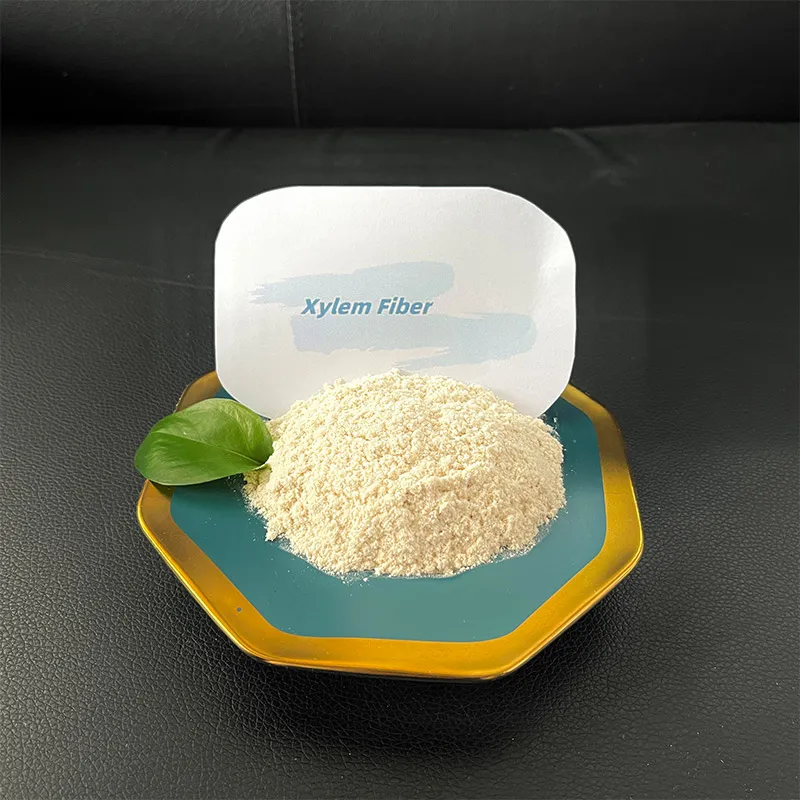
- cout_de_la_fibre_de_polypropylene
Oct . 25, 2025
6-Hydroxyethyl starch (6-HES) is a potent and invaluable tool in the medical field , particularly in -
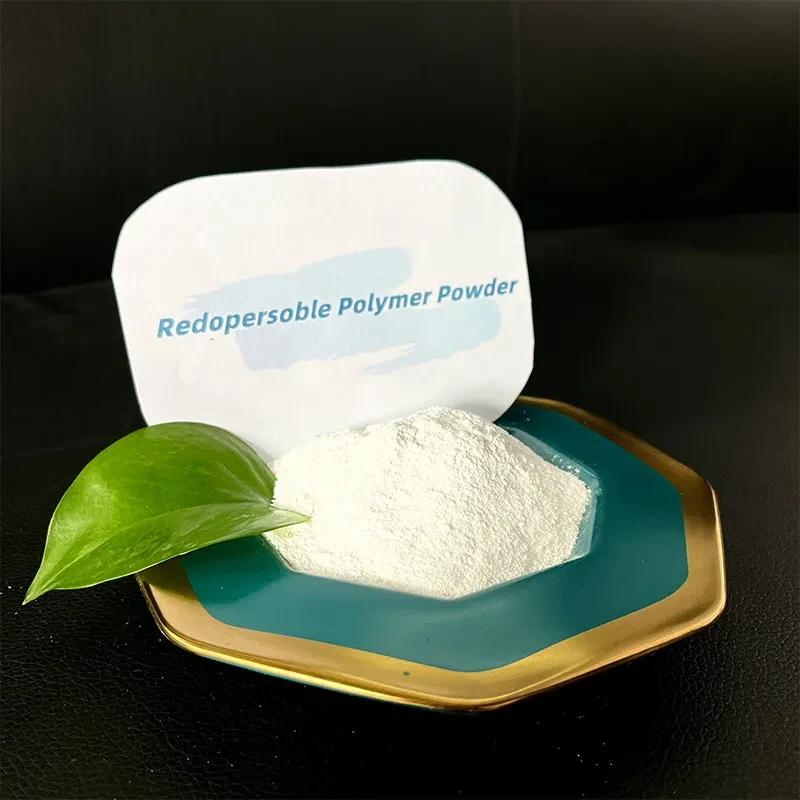 polypropylene_fiberglass
Oct . 25, 2025
In recent years, polypropylene fiber for sale has gained significant traction as an essential additi -
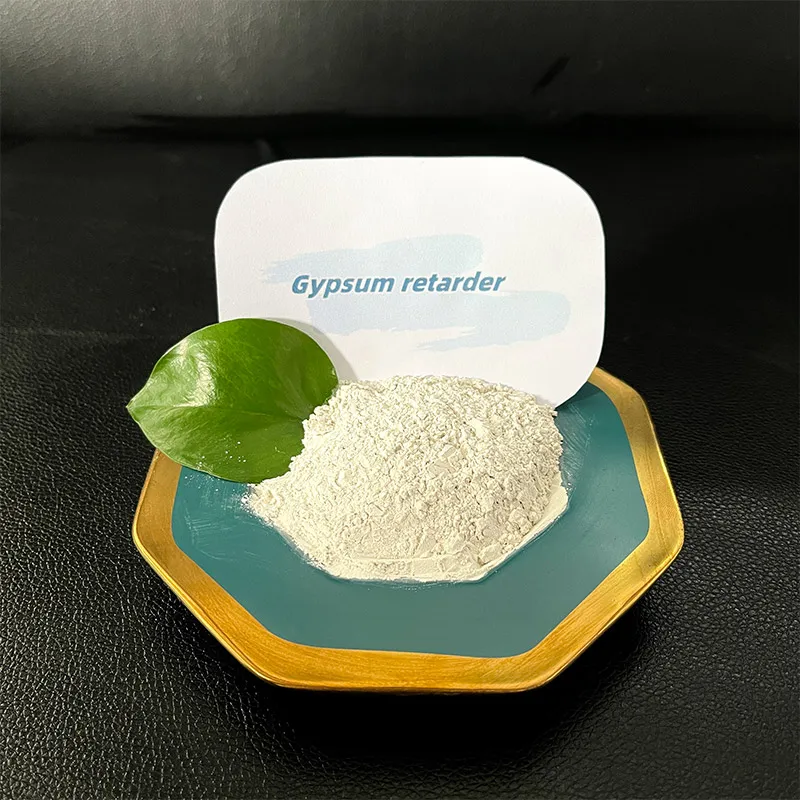 starch_ether_hps_for_wall_putty_powder
Oct . 25, 2025
Hydroxypropyl Methylcellulose (HPMC) has been transforming the construction industry with its versat


